
Project
Saiga Day
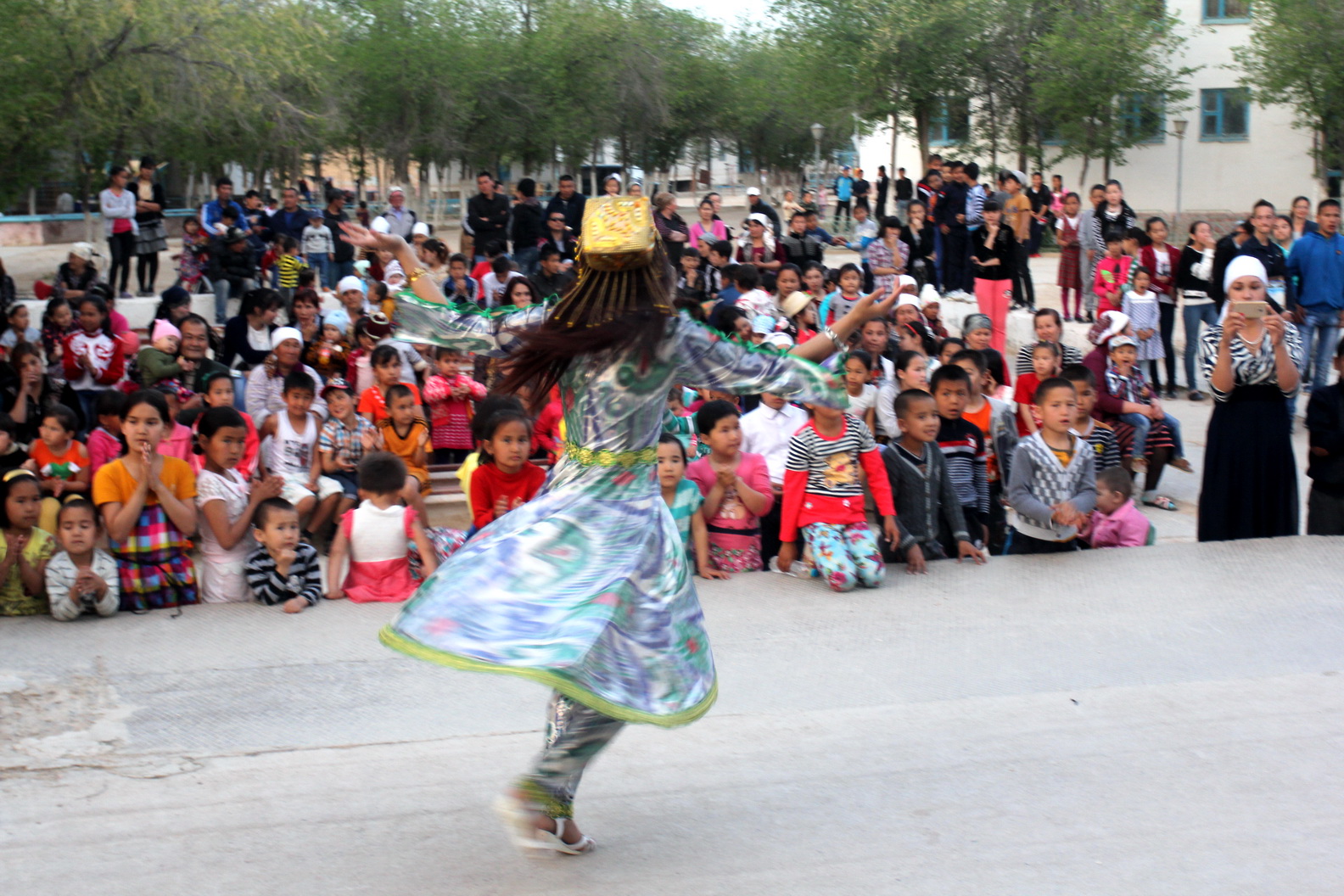
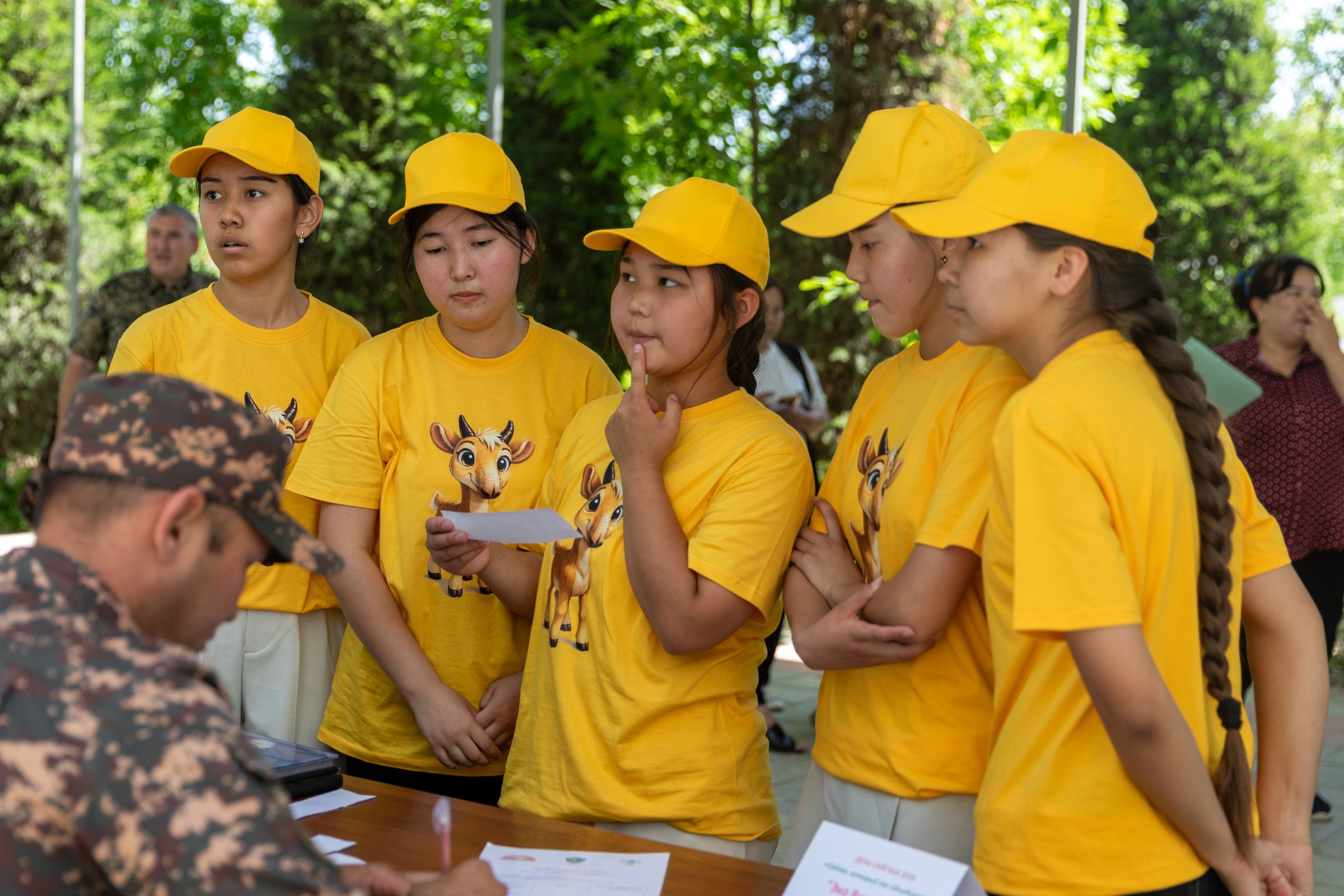
Saiga Day began on the Uzbek Ustyurt in 2006 as a school-based celebration designed to make saiga conservation visible, memorable, and relevant to local communities. Children prepared drawings, poems, essays, performances, and other creative work before coming together for talks, films, competitions, and public activities focused on the species.
What started in a small number of schools grew into a recurring celebration across the saiga range. Parents, village leaders, conservationists, protected-area staff, and local organisations became involved, turning Saiga Day into an annual moment when entire communities could engage with saiga conservation.
The approach also proved effective. Research on the Uzbek Ustyurt found that children who took part had significantly higher knowledge of saigas than those who did not, while repeated participation was associated with even stronger knowledge. 86% of surveyed participants said they had discussed the activities with their families, extending the conservation message beyond the classroom.
Saiga Day has continued to evolve. In 2013, it was recognised in Uzbekistan as the country’s “best ecological programme”. During the COVID-19 pandemic, events moved online, allowing more than 2,000 children across Uzbekistan, Russia, and Kazakhstan to take part through art, quizzes, poetry, competitions, and social-media activities.
Today, Saiga Day remains one of SCA’s longest-running public engagement initiatives, creating a shared annual celebration that keeps saigas visible in the communities that share their range.
With thanks to our funders
This work has been supported through different phases by the Wildlife Conservation Network, San Diego Zoo Global, the Beagle Charitable Foundation, and other supporters of SCA’s education and community programmes.
Project partners
Saiga Day has been delivered with local schools, teachers, conservation organisations, protected-area staff, and community partners across the saiga range, including Ekomaktab, the Association for the Conservation of Biodiversity of Kazakhstan, and the Institute of Zoology of the Uzbek Academy of Sciences.
Year by year
Key project milestones
Explore the project’s journey over time. Click each year to discover key activities, developments, and milestones.
Following the pandemic, Saiga Day returned to communities with renewed momentum. In-person celebrations resumed, while the digital approaches developed during 2020 continued to extend participation and connect people across the saiga range. Local partners have continued to shape events around their own communities, helping Saiga Day remain relevant, visible, and locally owned.
Nearly two decades after it began, Saiga Day has become more than a one-off awareness event. It is now an established annual tradition that brings new generations of children, families, teachers, and conservationists into the story of saiga conservation.
COVID-19 restrictions forced the celebration to change format. SCA and its partners moved activities online, with art challenges, quizzes, poetry, mask-making, eco-books, and social-media campaigns replacing large gatherings.
The shift widened participation. Across Uzbekistan, Russia, and Kazakhstan, Saiga Day activities reached more than 2,000 children. In Uzbekistan alone, online activities reached more than 1,000 children and their families, with around 300 children posting competition entries online.
Saiga Day spread to more communities in Kazakhstan and Russia as well as Uzbekistan. Local organisers adapted the celebration to their own contexts, using performances, art, games, public talks, and visits linked to saiga conservation. In 2014, two Saiga Days were held in Kalmykia, including one in Yashkul attended by around 130 pupils and 60 adults.
Saiga Day had become a high-profile conservation event, with activities followed by a press conference in Nukus. That year, it was recognised as the country’s “best ecological programme”.
Evaluation of the Uzbek Ustyurt programme found that children who had taken part in Saiga Day had significantly higher knowledge of saigas than non-participants. Students who had attended repeatedly performed especially strongly, and 86% of participants said they had discussed the activities with their families.
By 2010, Saiga Day was well established in local schools. In Jaslyk, village leaders proposed expanding it beyond the school setting into a broader community celebration, reflecting growing interest from families and local institutions.
SCA and its partners launched Saiga Day in schools in Jaslyk and Karakalpakia. Children prepared drawings, poems, essays, and performances in advance, then came together for films, talks, competitions, and a larger celebration focused on saiga conservation.
Related work
Explore similar projects
Support our work
Help keep saigas on the steppe
Every donation contributes to vital conservation work, from protecting saigas in the wild to advancing research, education, and international cooperation.
Your support helps make saiga conservation possible.