
Project
Steppe Wildlife Clubs
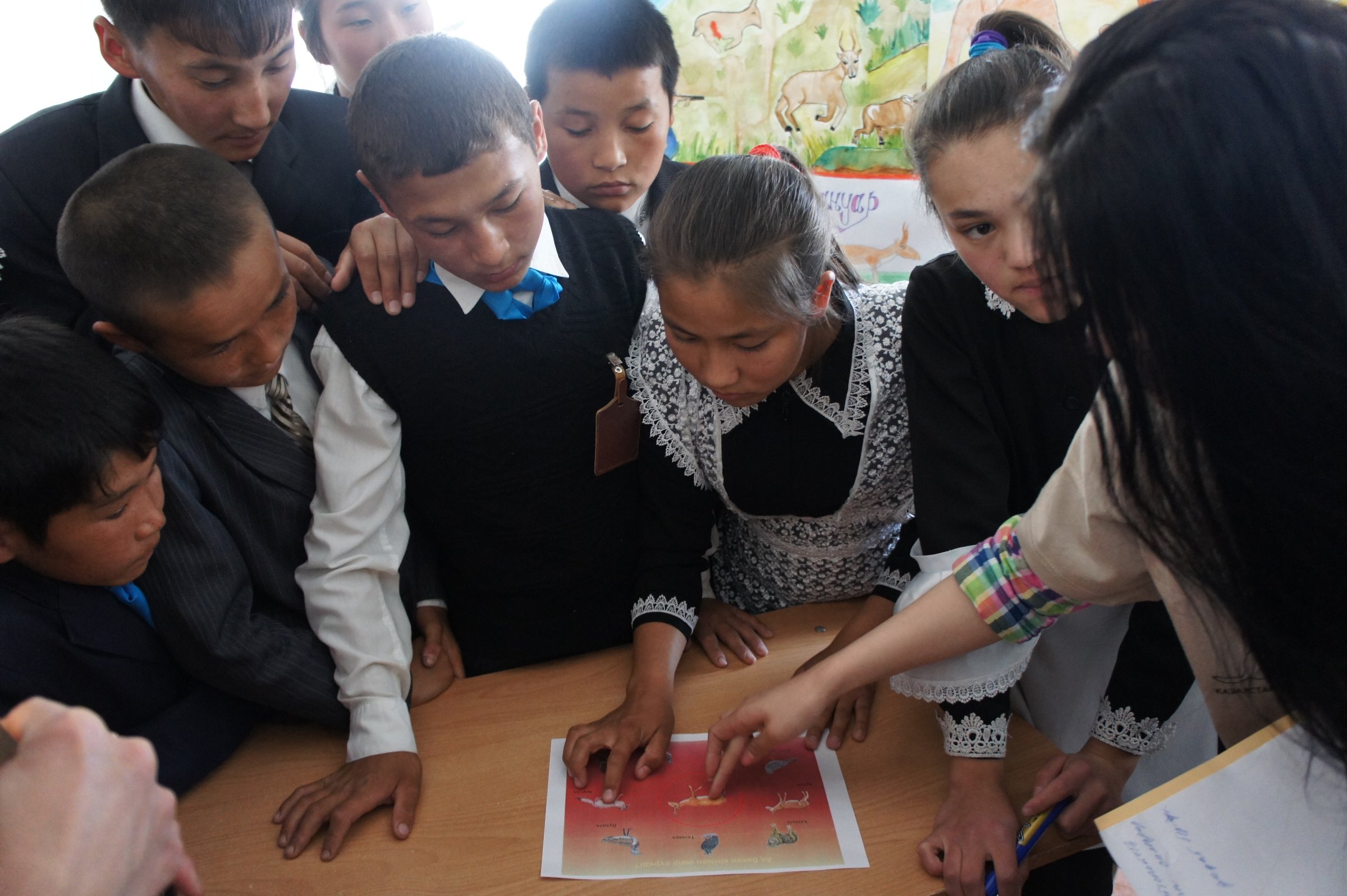
Steppe Wildlife Clubs are SCA’s long-running network of school-based environmental clubs for young people living in and around saiga range. Rather than relying on one-off awareness events, the clubs create opportunities for children and teenagers to keep learning about saigas, steppe ecosystems, and conservation throughout the year.
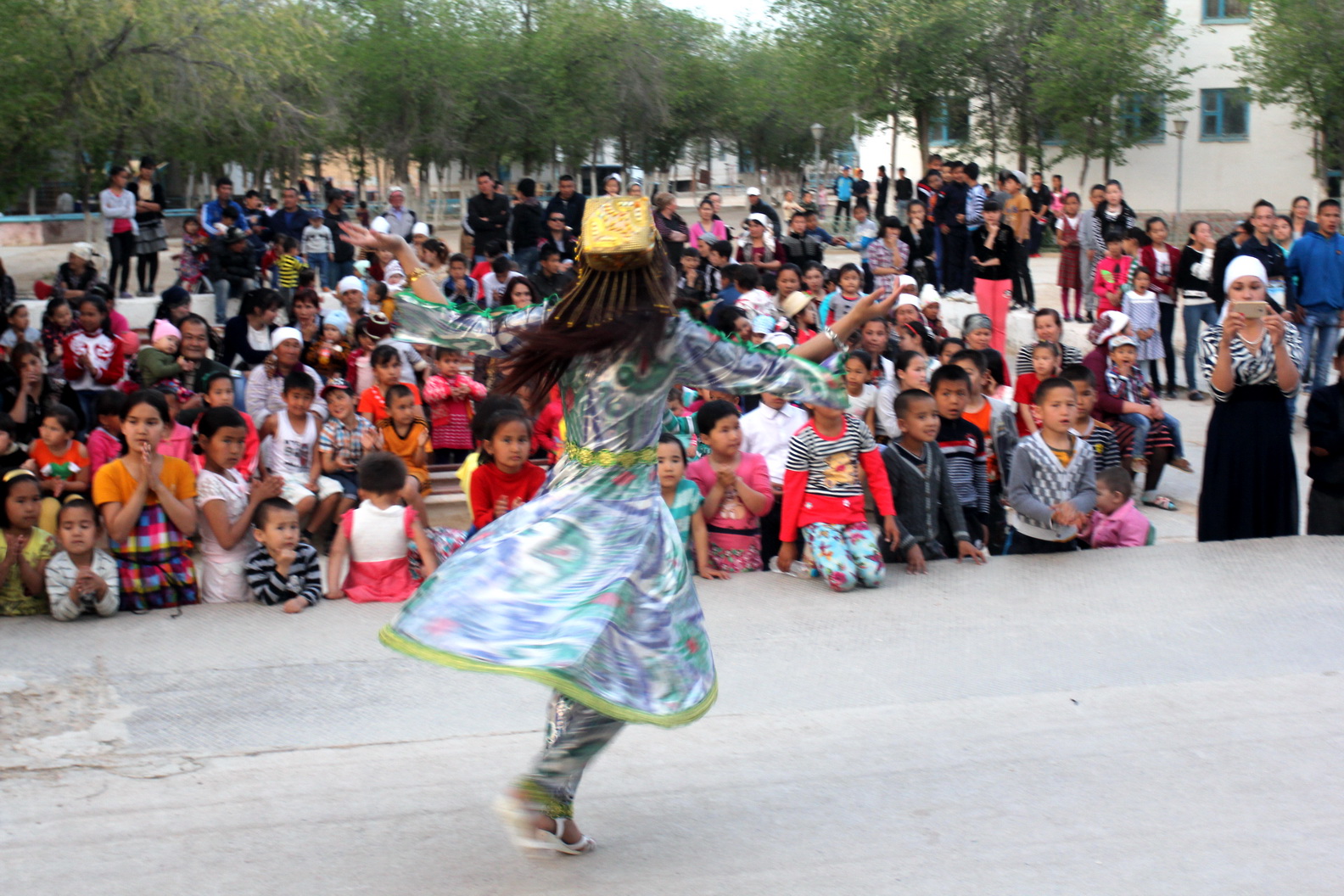
Working with local teachers and conservation partners, SCA has supported clubs with educational materials, training, activity ideas, field visits, and opportunities to take part in wider conservation events. Club members have organised lessons, quizzes, performances, art activities, environmental campaigns, wildlife excursions, clean-ups, and practical conservation activities. Saiga Day and the Day of Migratory Species have become important shared events for the network, while individual clubs have also developed activities that reflect their own communities and landscapes.
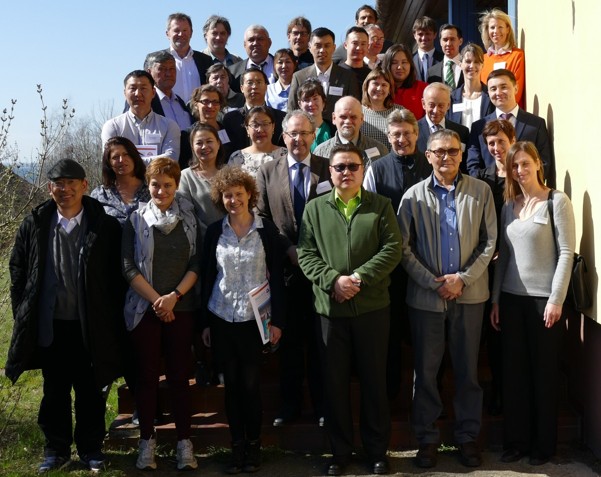
The programme has increasingly focused on giving teachers and young people the confidence to lead activities themselves. SCA has brought environmental educators from different saiga range countries together to exchange ideas and methods, helping build relationships between clubs and create a wider community of people involved in saiga education. By 2018, the network included 20 clubs across Uzbekistan, Kazakhstan, and Russia, with teachers from across the range taking part in international training.
The network later expanded to Mongolia and continued to grow. In 2022, SCA reported 35 Steppe Wildlife Clubs across the four countries, with young people taking part in activities ranging from wildlife monitoring and reserve visits to litter collection and conservation work alongside rangers. The strength of the programme lies in this continuity: helping successive generations of young people build knowledge, experience nature directly, and take an active role in protecting the wildlife of their own landscapes.
With thanks to our funders
This work has been supported by the Wildlife Conservation Network, San Diego Zoo Global, and the Beagle Charitable Foundation.
Project partners
This work has been delivered with teachers, schools, conservation organisations, protected-area staff, and local partners, including Ekomaktab, across the saiga range.
Year by year
Key project milestones
Explore the project’s journey over time. Click each year to discover key activities, developments, and milestones.
SCA has continued to support teachers, schools, and local conservation partners with materials, mentoring, and opportunities for young people to engage with saiga conservation. The long-term aim is for clubs and their teachers to lead more of their own activities while remaining connected to the wider saiga conservation community.
The network reached 35 Steppe Wildlife Clubs: 10 in Uzbekistan, seven in Kazakhstan, seven in Russia, and 11 in Mongolia. Activities included wildlife monitoring, field trips, environmental lessons, art, games, litter collection, reserve visits, and practical conservation work alongside rangers.
When COVID-19 restrictions prevented most in-person activities, Steppe Wildlife Clubs across Uzbekistan, Russia, and Kazakhstan moved much of their work online. Clubs used Facebook, Instagram, Telegram, Zoom, and other digital platforms to run Saiga Day activities, art challenges, quizzes, competitions, poetry, and environmental learning from home.
The new format also brought families into the programme. Parents, grandparents, and other relatives joined children in activities, including an online Saiga Day flashmob in which whole families appeared wearing saiga masks. Older teenagers and teachers also took a more active role in organising and leading online activities.
By 2018, the programme had grown to 20 active clubs across Uzbekistan, Kazakhstan, and Russia. SCA also ran an international Wildlife Academy for environmental educators, bringing together 18 teachers to share approaches to conservation education, student engagement, protected areas, and activity planning.
SCA strengthened links between clubs and environmental educators in Uzbekistan, Kazakhstan, and Russia. Teachers exchanged educational materials and experience through international training, while clubs took part in shared events including Saiga Day and the Day of Migratory Species. The network also created opportunities for young people to learn about protected areas and meet conservation practitioners.
SCA developed its network of Steppe Wildlife Clubs to give young people in saiga range communities opportunities to learn about wildlife throughout the year. Clubs combined classroom learning with creative activities, conservation events, and practical experiences outside school.
Related work
Explore similar projects
Support our work
Help keep saigas on the steppe
Every donation contributes to vital conservation work, from protecting saigas in the wild to advancing research, education, and international cooperation.
Your support helps make saiga conservation possible.