
Project
Mass Mortalities & Disease Response
SCA has played a long-term role in helping the saiga conservation community respond to major disease outbreaks and mass mortality events. Our work has included supporting investigations, connecting researchers and conservation organisations, communicating findings, helping mobilise emergency support, and turning lessons from individual crises into practical guidance for future responses.
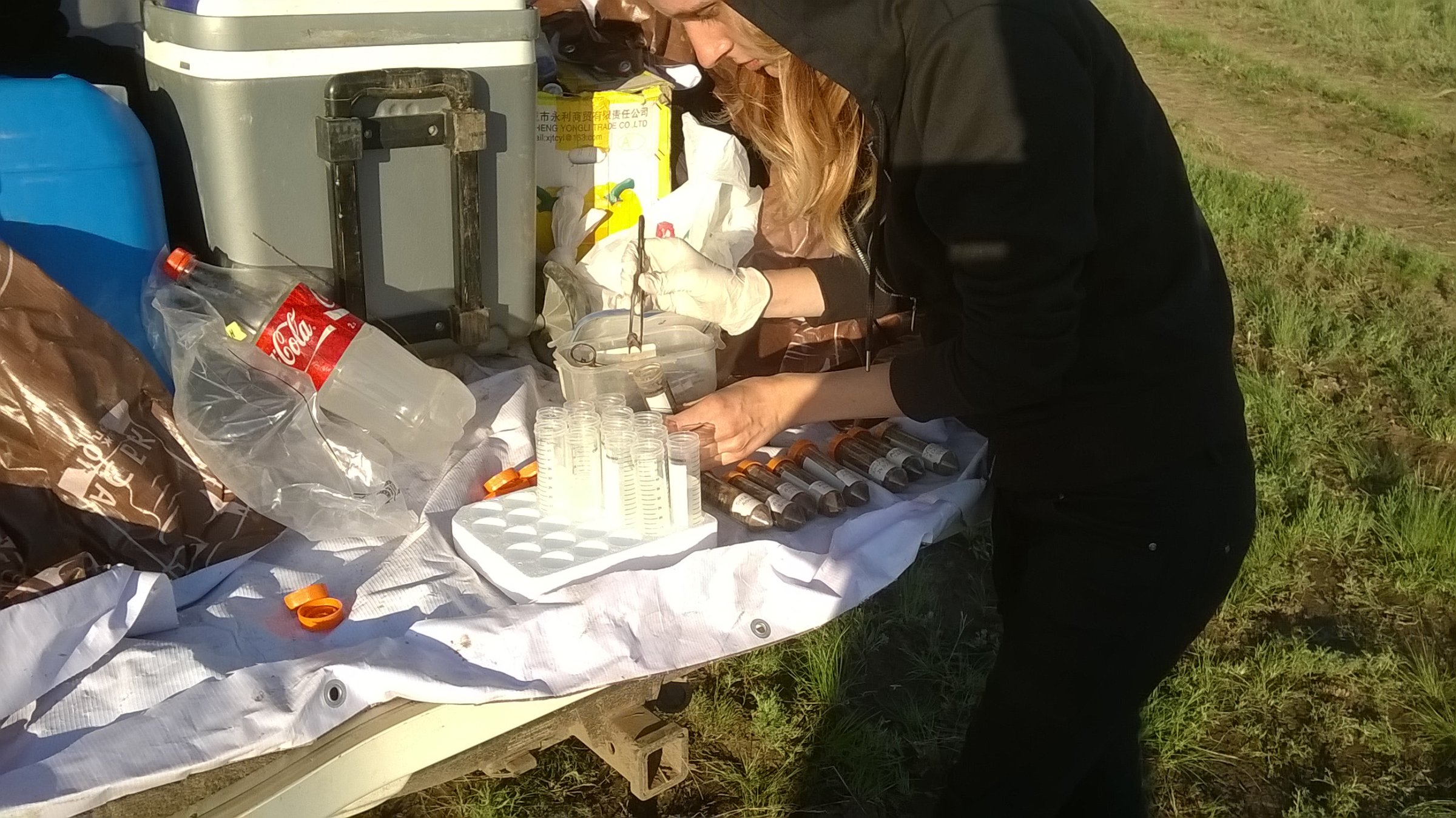
In 2010, when nearly 12,000 saigas died in the Ural population of western Kazakhstan, SCA used Saiga News to bring together different scientific perspectives on the event and raise the profile of disease as a major conservation threat. A further mortality event in western Kazakhstan in 2011 led to a rapid-response veterinary investigation examining the 2010 and 2011 outbreaks, their likely causes, and the implications for future disease response.
The scale of this work increased dramatically after the 2015 Betpak-Dala mass mortality event, when more than 200,000 saigas died in just three weeks. SCA was part of the wider international response through its scientific and conservation network. SCA co-founder E.J. Milner-Gulland contributed to the multidisciplinary research team investigating the event, helping connect ecological knowledge of saigas with veterinary, climatic, and field evidence. The resulting research identified haemorrhagic septicaemia caused by Pasteurella multocida as the immediate cause of death and showed how unusual environmental conditions had contributed to the outbreak.
A major part of SCA’s contribution was ensuring that these lessons led to better preparedness rather than remaining only in scientific publications. Working with veterinary and conservation specialists, SCA helped develop practical Standard Operating Procedures for responding to future saiga mortality events. These set out how unusual mortality should be reported, investigated, sampled, documented, and coordinated, helping field teams and authorities respond more consistently and rapidly. The guidance was translated into Russian and shared across the saiga range.
This work became immediately relevant during the 2016-2017 Peste des Petits Ruminants outbreak in Mongolia. SCA worked with Mongolian and international partners to support the emergency response, help mobilise resources, strengthen monitoring and protection of surviving saigas, and apply lessons developed from earlier outbreaks. By 2017, the response procedures developed through this work were already being used during the Mongolian crisis.
SCA also played an important communication and coordination role. We helped share findings between scientists, governments, conservation organisations, and the wider public, including communicating the results of the 2015 investigation when they were published in Science Advances in 2018. This combination of research, emergency coordination, practical procedures, and knowledge-sharing has helped strengthen the ability of the wider saiga conservation community to respond when mass mortality events occur.
With thanks to our funders
This work has been supported through different phases by Fauna & Flora International, the Wildlife Conservation Network and its supporters, the People’s Trust for Endangered Species, the Convention on Migratory Species, and other supporters of saiga research and emergency conservation.
Project partners
This work has involved the Association for the Conservation of Biodiversity of Kazakhstan, Kazakhstan’s government and veterinary authorities, the Royal Veterinary College, research institutions in Kazakhstan and internationally, the Convention on Migratory Species, Wildlife Conservation Society Mongolia, WWF-Mongolia, and other veterinary and conservation partners across the saiga range.
Year by year
Key project milestones
Explore the project’s journey over time. Click each year to discover key activities, developments, and milestones.
SCA continues to keep disease and mass mortality on the conservation agenda, drawing on the lessons from Kazakhstan and Mongolia to support preparedness across the saiga range. This includes maintaining links between researchers, veterinarians, conservation organisations, and government partners, sharing guidance and emerging evidence, and helping ensure that unusual mortality can be recognised and investigated quickly.
The multidisciplinary investigation into the 2015 event was published in Science Advances. SCA contributed to both the research and its wider communication, helping explain the findings to conservation audiences and the public.
The work showed how ecological conditions, pathogens, and saiga biology can combine to produce catastrophic mortality, while reinforcing the need for continued monitoring and rapid response.
When PPR spread into the Mongolian saiga population, SCA helped mobilise support through its international network and worked with partners involved in monitoring and protecting the surviving animals.
The crisis provided an early opportunity to apply the approaches developed from previous mortality events, linking emergency response, veterinary expertise, field monitoring, and conservation action.
SCA worked with specialist partners to translate lessons from previous outbreaks into practical procedures for future emergencies. This included developing Standard Operating Procedures covering how saiga mortality events should be reported, investigated, sampled, recorded, and coordinated.
The aim was to make the response to future outbreaks faster, more systematic, and more useful for both immediate conservation action and longer-term research.
Following the catastrophic Betpak-Dala mortality event, SCA became part of the wider multidisciplinary response. We contributed to the international research team investigating the event, working alongside veterinary, ecological, climatic, and field specialists.
The team’s work ultimately helped explain why more than 200,000 saigas had died in such a short period.
Further mortality in western Kazakhstan led to a rapid-response veterinary mission examining the 2010 and 2011 outbreaks around Borsy. The work investigated evidence for pasteurellosis, assessed possible triggers, and generated recommendations for improving future responses. SCA helped connect this work with the wider saiga conservation community.
After nearly 12,000 saigas died in western Kazakhstan, SCA dedicated part of Saiga News to the event, bringing together different scientific perspectives on what had happened and why disease needed to become a more prominent part of saiga conservation planning.
Related work
Explore similar projects
Support our work
Help keep saigas on the steppe
Every donation contributes to vital conservation work, from protecting saigas in the wild to advancing research, education, and international cooperation.
Your support helps make saiga conservation possible.