
Project
Resurrection Island
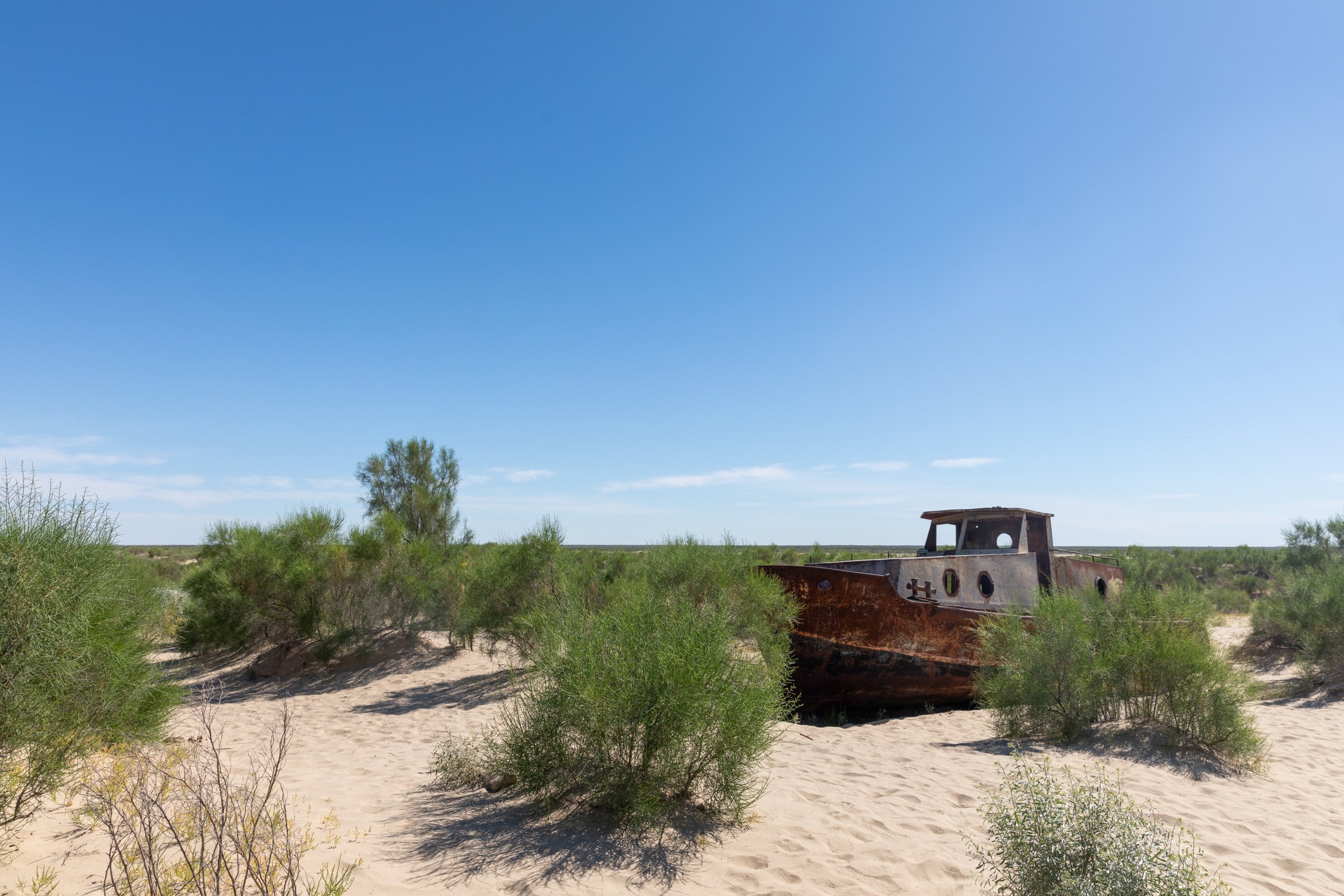
Resurrection Island, also known as Vozrozhdenie, lies in the former Aral Sea in western Uzbekistan, where the retreating water transformed an island into part of a vast new desert landscape. Within this rapidly changing environment, a small, isolated saiga population persisted alongside other wildlife, even as pressures from poaching, infrastructure, industrial development, and wider environmental change increased. At the same time, relatively little was known about the biodiversity of the area, creating a clear need for stronger evidence, better protection, and a more joined-up conservation response.
SCA helped build that response from the ground up. Working with Uzbek scientists, local researchers, government, and other partners, we supported field surveys, wildlife monitoring, and research that demonstrated the ecological importance of the landscape and improved understanding of the threats facing it. This evidence became the foundation for practical conservation action, including support for ranger capacity, protected-area planning, and stronger long-term protection for saigas and other wildlife.
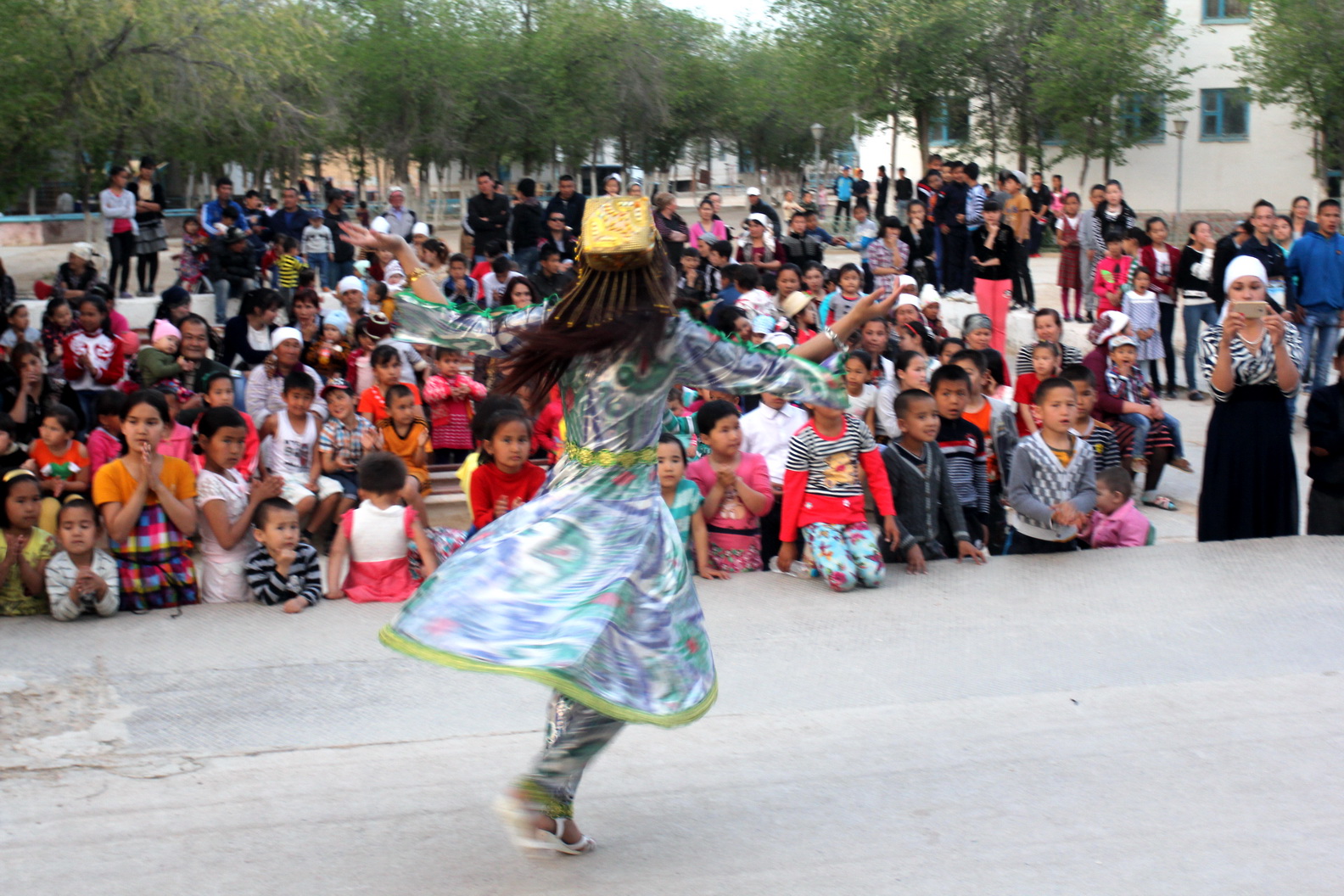
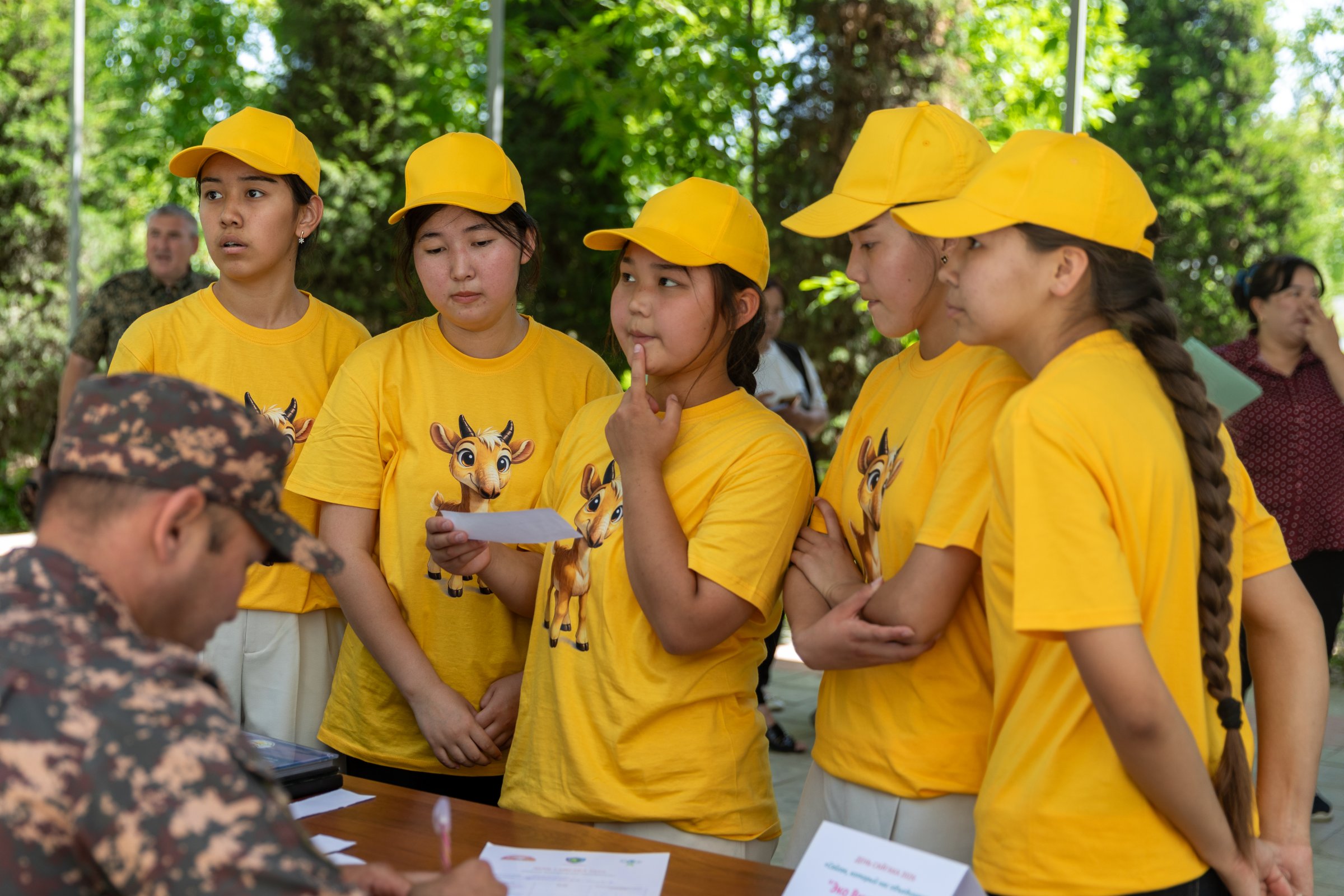
As the work developed, Resurrection Island became a powerful example of how different strands of conservation can reinforce one another. Research and monitoring informed protection on the ground. Education and awareness helped raise the profile of the landscape and its wildlife. Community engagement and livelihood initiatives explored ways for local people to benefit from conservation through tourism and small-scale enterprise. At the same time, SCA and its partners worked with government and industry to encourage stronger biodiversity safeguards around development, including training and work on biodiversity mitigation and “no net loss” approaches.
Together, these efforts helped shift Resurrection Island from a little-known saiga site into a much broader conservation programme for the wider Aral Sea landscape. The work contributed to the establishment of Aralkum National Park in 2022, while also strengthening wildlife monitoring, community engagement, conservation awareness, and the consideration of biodiversity in development planning. It shows how research, practical protection, education, community involvement, and partnership can come together to create stronger conditions for saiga conservation.
With thanks to our funders
Darwin Initiative, People’s Trust for Endangered Species, Whitley Fund for Nature, and the Beagle Charitable Foundation.
Project partners
University of Oxford, Institute of Zoology of the Uzbek Academy of Sciences, Ministry of Tourism and Cultural Heritage of Uzbekistan, Ministry of Natural Resources of Uzbekistan, The Pearl Group, and Uz-Kor Gas.
Year by year
Key project milestones
Explore the project’s journey over time. Click each year to discover key activities, developments, and milestones.
SCA continues to support conservation across the wider Aral Sea landscape, building on the programme’s research, community work, protected-area achievements, and partnerships.
Work focused increasingly on ecological zoning, wildlife monitoring, tourism training, homestay pilots, local enterprise development, and engagement with government and industry on biodiversity mitigation
The Government of Uzbekistan established Aralkum National Park, covering around one million hectares in Muynak district. The Resurrection Island programme had helped build the research, partnerships, and conservation case supporting stronger protection of the area.
Camera traps operated for 238 days, alongside saiga monitoring, biodiversity surveys, social research, and assessment of poaching and development pressures. This work strengthened the evidence base for managing and protecting the landscape.
The Darwin Initiative project Resurrection Island: enterprise, conservation and development around the Aral Sea began, with SCA as a project partner. The programme brought together biodiversity conservation, protected-area development, local enterprise, tourism, and work with industry to reduce biodiversity impacts.
Building on the early research, E.J. Milner-Gulland began thinking more seriously about Resurrection Island as an important place for saiga conservation. Discussions with Uzbek government officials helped raise the profile of the island’s saiga population and opened up conversations about its future protection.
SCA and partners carried out field expeditions with Uzbek scientists and local researchers. The surveys recorded 123 species of vascular plants and 127 vertebrate species, documented the presence of the island’s geographically isolated saiga population, and identified pressures including poaching, new roads, and industrial development.
Satellite imagery and field research were being used to investigate the ecological importance of Resurrection Island, helping build the case for more detailed surveys and conservation planning.
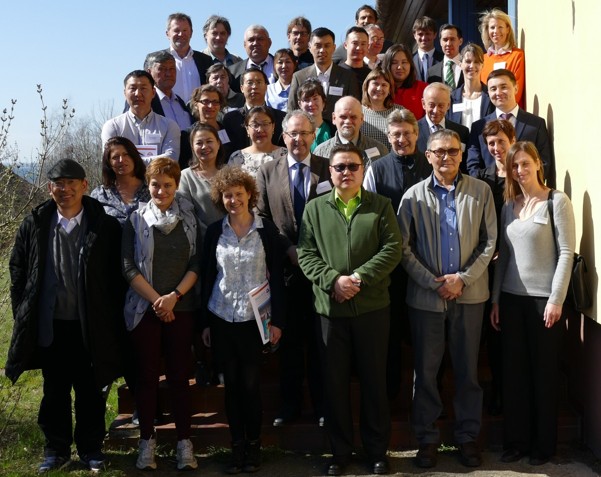
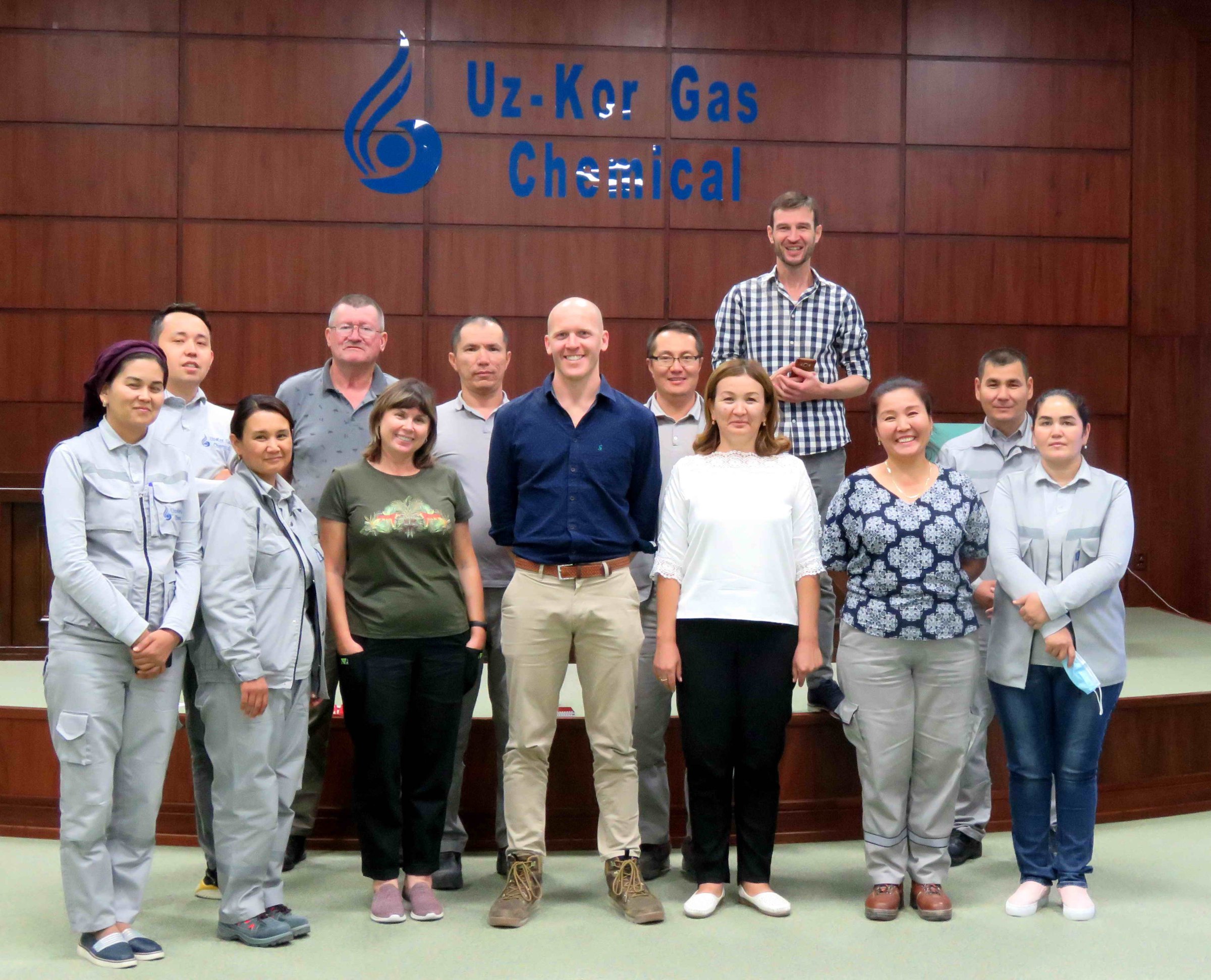 Photo: SCA
Related work
Explore similar projects
Support our work
Help keep saigas on the steppe
Every donation contributes to vital conservation work, from protecting saigas in the wild to advancing research, education, and international cooperation.
Your support helps make saiga conservation possible.