
Project
Supporting Saigachiy Reserve
Saigachy Reserve lies on Uzbekistan’s Ustyurt Plateau, part of the range of the transboundary Ustyurt saiga population. By the early 2010s, this population was in serious decline. Poaching remained a major threat, while a new border fence between Kazakhstan and Uzbekistan disrupted long-established migration routes. SCA’s monitoring showed just how precarious the situation had become and reinforced the need for a protected area capable of safeguarding saigas and their habitat.
SCA has supported Saigachiy through different stages of its development, beginning with technical input into the reserve’s re-designation and research into how stronger protection could work for both wildlife and nearby communities. We contributed ecological evidence, stakeholder research, recommendations, and practical information to support protected-area planning, including work examining local attitudes towards the reserve and the needs of people living alongside it.
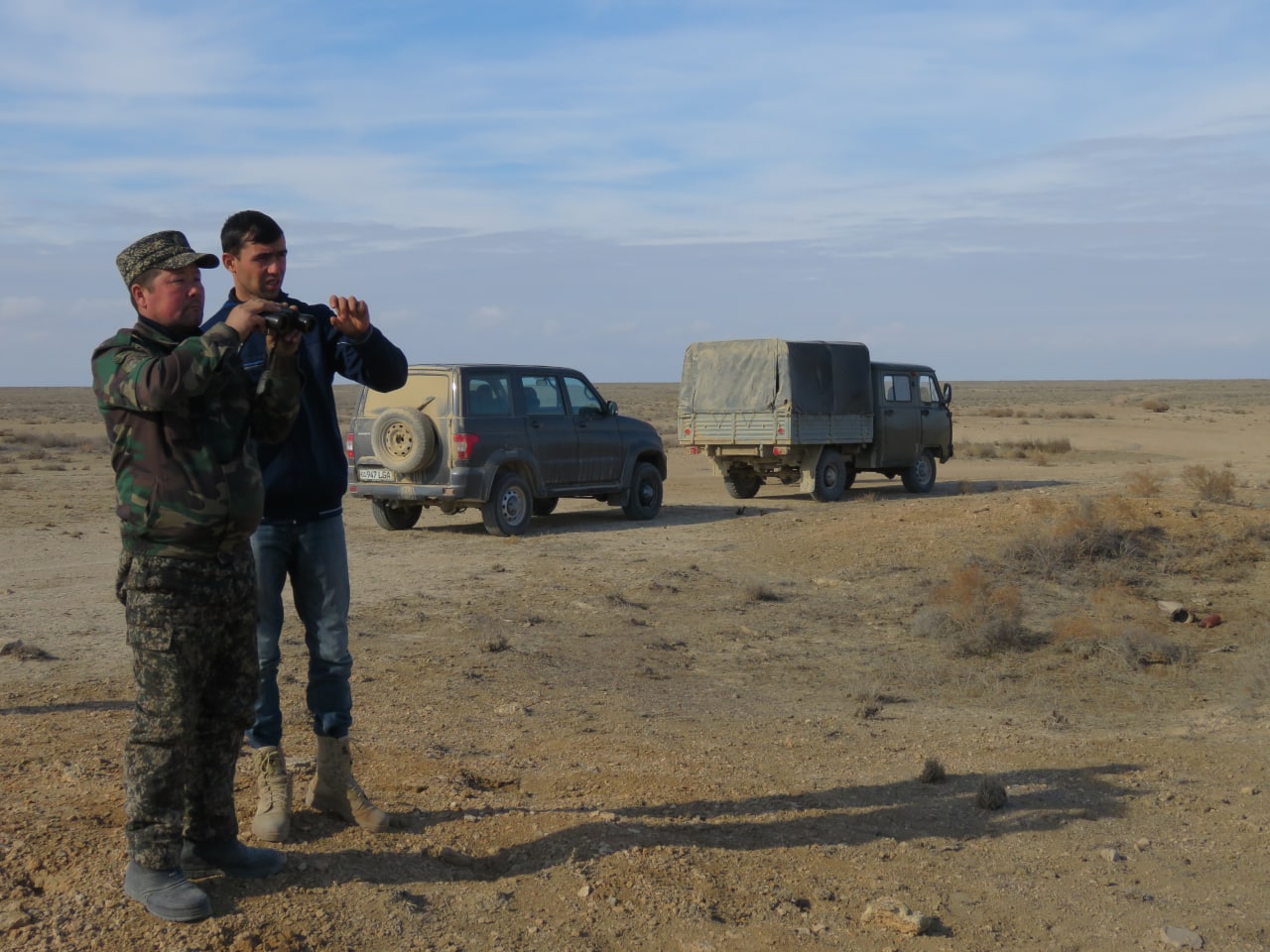
As the reserve developed, our focus increasingly turned to making protection work on the ground. SCA has involved reserve staff in saiga monitoring, trained rangers in field techniques and the use of GPS and camera traps, supported research into the Kazakhstan-Uzbekistan border fence, supplied equipment, and contributed information for reserve management planning. In 2017, seven Saigachiy staff joined a saiga transect survey and received practical monitoring training.
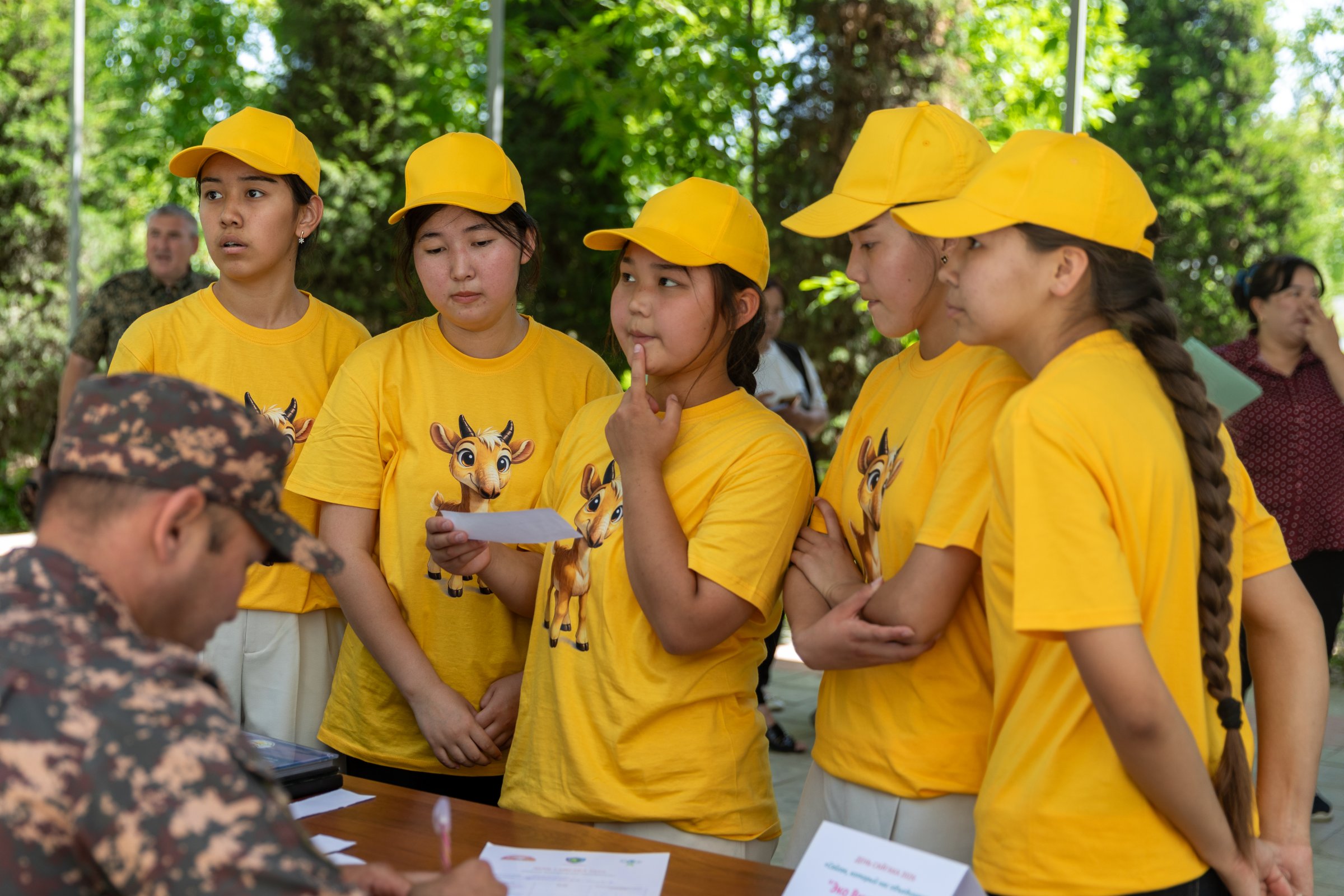
The work has also connected protection with awareness and local support. Reserve staff have participated in activities with schools and Steppe Wildlife Clubs, helping young people living near the reserve understand why protected areas matter and the role Saigachiy plays in saiga conservation. Over time, sustained support for monitoring, ranger capacity, management, and engagement has helped strengthen the foundations for protecting saigas on the Uzbek Ustyurt.
With thanks to our funders
This work has been supported by the Whitley Fund for Nature, Wildlife Conservation Network, Thin Green Line Foundation, and the Beagle Charitable Foundation.
Project partners
This work has involved Saigachy Reserve staff, Uzbekistan’s national environmental authorities, local researchers and conservationists, and communities and schools on the Ustyurt Plateau.
Year by year
Key project milestones
Explore the project’s journey over time. Click each year to discover key activities, developments, and milestones.
SCA has continued to support Saigachiy Reserve with practical help for rangers and reserve staff, including equipment, training, monitoring, and anti-poaching activities. This longer-term support has focused on strengthening day-to-day protection and helping staff build the skills and resources needed to monitor wildlife and manage the reserve effectively.
Saigachy staff took part in Day of Protected Areas activities with Steppe Wildlife Clubs, teachers, and students. Around 570 students and 20 teachers participated, with reserve staff introducing young people to Saigachiy and its role in protecting saigas and the wider Ustyurt landscape.
SCA supported the development of Saigachiy Reserve’s management planning by providing the protected-area authorities with information on the reserve’s landscapes, flora, fauna, and historical features. This helped strengthen the evidence available for decisions about the reserve’s future management.
The Kazakhstan-Uzbekistan border fence had cut across important Ustyurt saiga migration routes. SCA joined reserve rangers, border patrol staff, and government representatives in assessing the fence and the special crossing points installed to allow saigas through. The fieldwork found that the fence continued to restrict movement, but that the specially designed passes were enabling animals to cross at several locations.
SCA brought Saigachiy Reserve staff directly into its participatory monitoring programme. Seven reserve staff joined a saiga transect survey and were trained to use GPS units, camera traps, and other field equipment, and to record and collect monitoring data. The reserve team also worked alongside SCA and border authorities during field investigations of the Kazakhstan-Uzbekistan border fence.
Research supported by SCA and the Whitley Fund for Nature examined local knowledge, attitudes, costs, benefits, and concerns surrounding the re-designation of Saigachiy Reserve. The study highlighted the importance of addressing poaching, enforcement, management, and relationships with local communities if the reserve was to become more effective for saiga conservation.
With the Ustyurt saiga population in steep decline, SCA supported efforts to strengthen Saigachiy Reserve. Our work included ecological evidence, participatory monitoring, technical advice, and engagement with government on the reserve’s re-designation. SCA also supported research into how local residents and other stakeholders viewed the proposed changes, helping bring community perspectives into protected-area planning.
Related work
Explore similar projects
Support our work
Help keep saigas on the steppe
Every donation contributes to vital conservation work, from protecting saigas in the wild to advancing research, education, and international cooperation.
Your support helps make saiga conservation possible.