
Project
Traditional Embroidery in the Uzbek Ustyurt: An Alternative Livelihood
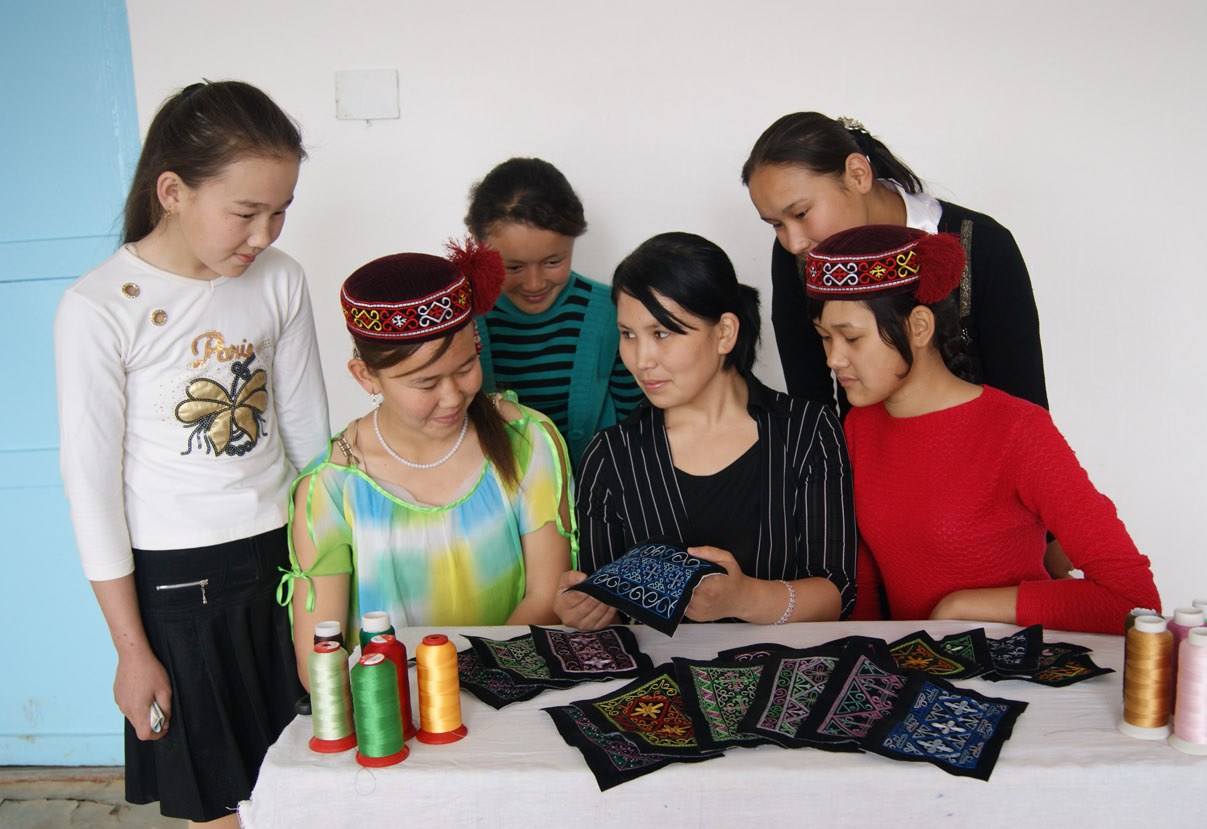
Kuralai ('baby saiga') grew from SCA’s efforts to address some of the social and economic pressures behind saiga poaching on the Uzbek Ustyurt. The idea was to support women in saiga-range communities to earn income through traditional embroidery, while creating a stronger role for women and their families in saiga conservation.
An important early step came through SCA’s Small Grants Programme. In 2010, Aizada Nurumbetova received an SCA Small Grant for a project training women in needlework and embroidery as an alternative livelihood on the Ustyurt Plateau. This built on a pilot embroidery initiative begun in Jaslyk in 2009 and helped develop the skills and local structures from which Kuralai later grew.
Working with experienced local embroidery organisations, SCA supported groups in Jaslyk and Karakalpakia to learn traditional Karakalpak and Kazakh embroidery, develop products, and organise themselves around production and sales. The conservation model went beyond providing an income. Women were encouraged to take conservation messages into their households, and participating families were involved in pledging not to poach saigas. SCA records explicitly describe the scheme as combining alternative income with family commitments to stop poaching.
The approach was also critically evaluated. The study The Impact of Community Conservation Initiatives in the Uzbek Ustyurt examined the embroidery programme alongside SCA’s education work, rather than assuming that alternative livelihoods automatically led to conservation benefits. Researchers interviewed 13 embroiderers, ten from Jaslyk and three from Karakalpakia, as well as ten adult relatives. The study found strong social and educational value but also identified weaknesses in the business model, particularly around profitability and the difficulty of demonstrating a direct effect on poaching. These findings helped SCA refine the programme and place embroidery within a broader community-conservation strategy.
From this early phase, Kuralai developed into a more structured enterprise. In 2013, group leaders Maina Bisenbaeva and Sulukhan Berdanova received further training in traditional designs, embroidery techniques, and bag production before returning to Jaslyk and Karakalpakia to train other women. That year, the first Kuralai products were successfully sold in the United States at the Wildlife Conservation Network Expo.
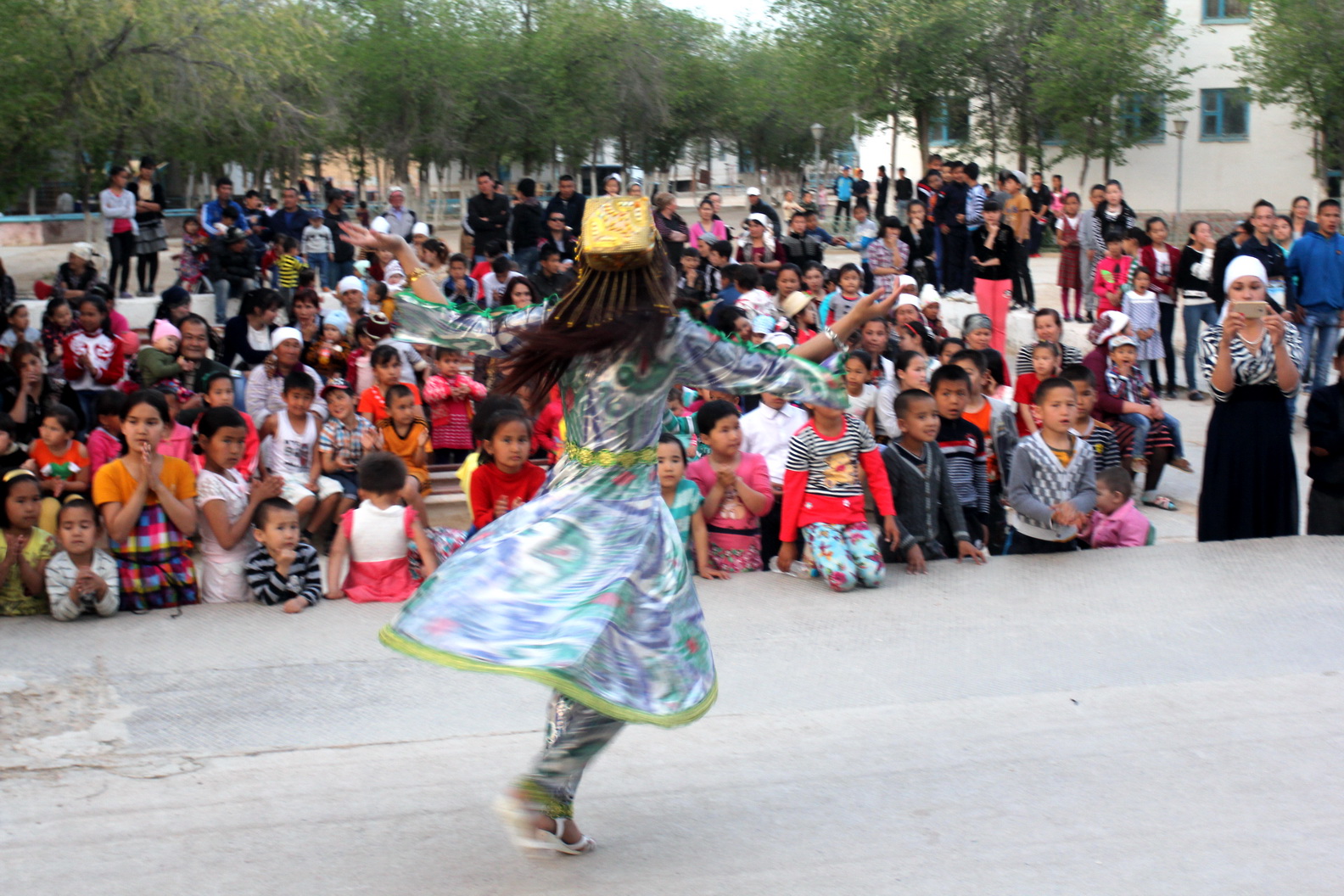
By 2017, 17 women had qualified as masters of Karakalpak embroidery, and the group had produced 270 items. Members developed new products, tested tourist-market sales in Tashkent, and organised their own fashion show and craft fair during Saiga Day.
Kuralai shows how SCA’s community work evolved through experimentation, evaluation, and long-term relationships. Rather than treating livelihoods as a simple solution to poaching, the programme combined traditional skills, women’s participation, family engagement, conservation education, and enterprise development to create new ways for local people to participate in saiga conservation.
With thanks to our funders
This work has been supported through different phases by the Wildlife Conservation Network, The Wilds, Disney Coins for Change, and SCA’s Small Grants Programme.
Project partners
The programme has worked with Aizada Nurumbetova, local embroidery organisations including Ornament and Keul Nuri, group leaders Maina Bisenbaeva and Sulukhan Berdanova, women and families in Jaslyk and Karakalpakia, and other community partners on the Ustyurt Plateau. WCN Year End Report 2013
Outcomes
17
Embroidery masters qualified through the Kuralai programme by 2017.
Year by year
Key project milestones
Explore the project’s journey over time. Click each year to discover key activities, developments, and milestones.
SCA paused the active Kuralai embroidery programme. After investing in training, the group was seeing increasingly rapid turnover as women married and moved to Kazakhstan with their husbands’ families, or stayed at home to manage household responsibilities. This made group numbers less stable and production increasingly sporadic and costly.
The enterprise did not disappear. Women continued selling products at local markets and in Tashkent, while SCA continued selling existing stocks of embroidered bags through its website and at the Wildlife Conservation Network Expo.
Certified training covered embroidery, sewing, business skills, team building, and souvenir production. By the end of the year, 17 participants had qualified as masters of Karakalpak embroidery and the group had produced 270 items. Members also initiated their own fashion show and craft fair, and sales were tested in Tashkent’s tourist market.
SCA continued working to formalise the initiative as an officially recognised small enterprise, with the aim of creating a more sustainable source of income for women while maintaining its connection to saiga conservation.
SCA continued to develop the embroidery collectives as part of its wider response to poaching and demand for saiga meat. Participating families were involved in pledging to stop poaching saigas, making conservation commitments an explicit part of the livelihood initiative rather than treating income generation as an end in itself.
The enterprise was increasingly identified as “Kuralai”, meaning baby saiga. Maina Bisenbaeva and Sulukhan Berdanova received specialist embroidery and product-development training before returning to their villages to train other women. Kuralai also successfully sold its first consignment of products in the United States at the Wildlife Conservation Network Expo.
The study The Impact of Community Conservation Initiatives in the Uzbek Ustyurt assessed both SCA’s environmental education and alternative-livelihood work. Researchers interviewed 13 embroiderers and 10 adult relatives and examined whether participants were benefiting, whether the enterprise was financially viable, and how it might contribute to conservation. The evaluation highlighted both the programme’s promise and the need for stronger markets and clearer links between livelihoods and conservation outcomes.
Aizada Nurumbetova received a $2,000 SCA Small Grant for “Training of women to skills of workmanship and needlework to develop alternative livelihood sources in Ustyurt plateau, Uzbekistan”. The project strengthened the practical foundations of the embroidery programme and helped expand opportunities for women in saiga-range communities.
SCA supported an initial embroidery programme in Jaslyk, exploring whether traditional craft skills could provide women with additional economic opportunities while creating a new route for engaging families in saiga conservation. A smaller group was subsequently established in Karakalpakia.
Related work
Explore similar projects
Support our work
Help keep saigas on the steppe
Every donation contributes to vital conservation work, from protecting saigas in the wild to advancing research, education, and international cooperation.
Your support helps make saiga conservation possible.